How to Approach Crawl Space Mold Removal in Fort Worth Homes
If you own a home in Fort Worth, you know our summers are long and humid. That combination of heat and moisture can turn an overlooked crawl space into a breeding ground for fungus and mildew. I have spent years working on moisture control and mold remediation across residential properties and commercial properties in this area, and I can tell you that crawl space mold removal is one of those jobs that rewards patience and the right technique. Rushing it or cutting corners almost always leads to a return of the problem, often worse than before.
The first thing to understand is that mold in a crawl space is not a surface issue. It is a symptom of a moisture problem. You can scrub every visible speck of mildew, but if the crawl space stays damp, the mold will be back within weeks. That is why any serious approach to crawl space mold removal must start with a careful mold inspection and a plan for moisture control. Without that foundation, you are just chasing your tail.
Why Crawl Spaces Are So Vulnerable
A crawl space sits right above the ground, often with minimal foundation ventilation. In many Fort Worth homes built before the 2000s, the crawl space might have a dirt floor or an old vapor barrier that has torn or shifted. That dirt floor acts like a sponge, wicking moisture up from the soil below. Add in a leaking pipe, a sump pump that failed during a heavy rain, or poor drainage around the foundation, and you have the perfect conditions for mold growth.
I once worked on a home near the Trinity River where the crawl space had standing water after every storm. The homeowners had tried bleach and a dehumidifier on their own, but the mold kept returning. The problem was not the mold itself; it was the water damage and the lack of a proper vapor barrier. Once we addressed the moisture source and improved foundation ventilation, the remediation finally stuck.
The Right Way to Start: Mold Inspection First
Before you touch any cleaning product, get a thorough mold inspection. A good inspector will check humidity levels, look for hidden leaks, test air quality, and identify the types of fungus present. Some molds are harmless but unsightly. Others, like Stachybotrys chartarum (often called black mold), can be a real health risk, especially for people with allergies or respiratory issues. Knowing what you are dealing with shapes the entire plan.
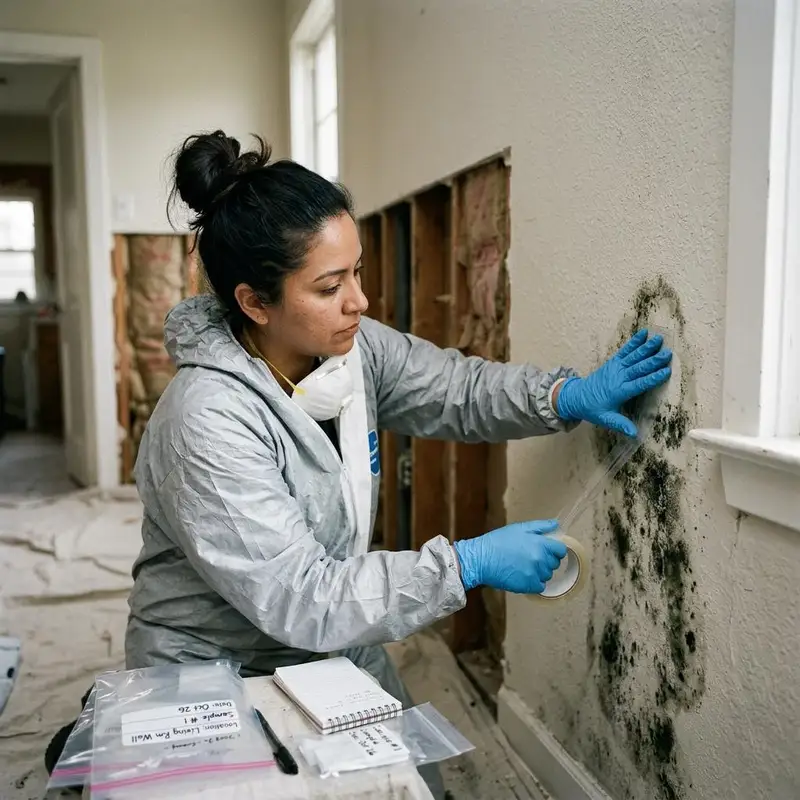
Inspection also tells you where the moisture is coming from. Is it groundwater seeping through a dirt floor? Condensation on cold ducts? A slow leak from a bathroom above? The answer determines whether you need a vapor barrier, a sump pump, better drainage, or simply a dehumidifier running during humid months. Do not skip this step. It saves time, money, and frustration later.
Practical Steps for Crawl Space Mold Removal
Once you have a clear picture, the actual remediation can begin. Here are the steps I follow on most residential properties in Fort Worth, adapted for each crawl space's specific condition.
Step 1: Set Up Containment and Protection
Mold spores become airborne the moment you disturb them. Before you start scrubbing or cutting, seal off the crawl space from the rest of the house. Use heavy plastic sheeting over any vents or access doors. Wear an N95 respirator or better, gloves, and eye protection. Run a HEPA filter in the crawl space during the work and for several hours afterward to capture airborne spores. This protects your air quality and keeps the mold from spreading to living areas.
Step 2: Remove the Source of Moisture
This is non-negotiable. If there is standing water, pump it out with a sump pump. Fix any leaks. If the ground is damp, install a vapor barrier - a thick polyethylene sheet that covers the entire crawl space floor, sealed at the seams and up the walls. A vapor barrier alone can cut humidity levels in half. Add foundation ventilation by opening or installing vents around the perimeter. In really wet crawl spaces, a dehumidifier set to 50% relative humidity can make the difference between a mold-prone space and a dry one.
Step 3: Clean the Mold
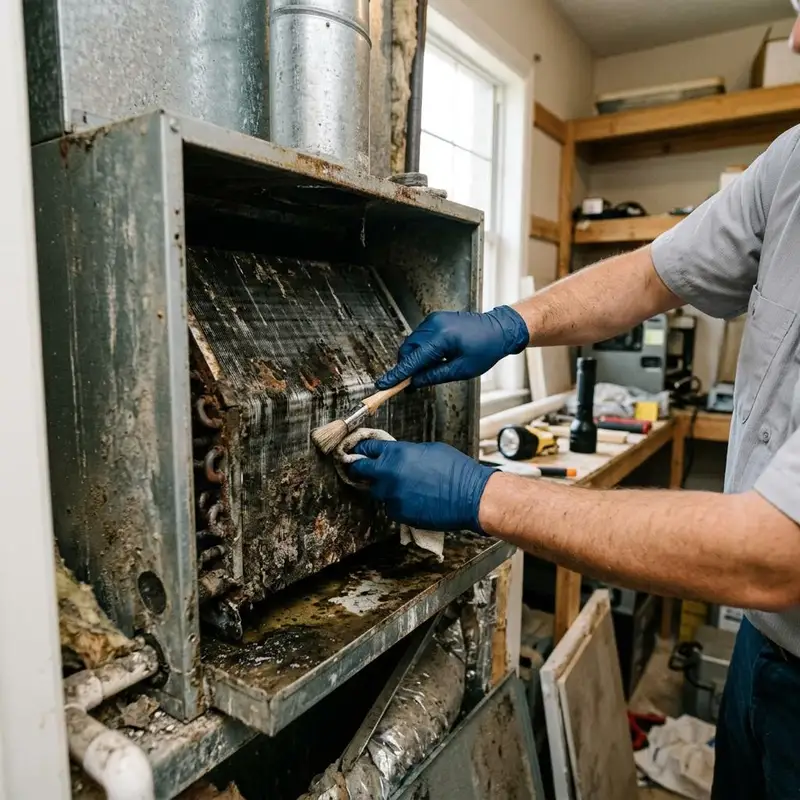
For non-porous surfaces like concrete, plastic, or metal, a detergent and water solution works better than bleach. Bleach is often too harsh and can actually feed mold on porous surfaces. For wood joists, subflooring, or other porous materials, you may need a professional-grade fungicide or even encapsulation - sealing the moldy material with a specialized paint or coating that locks in spores. If the wood is deeply rotted from water damage, replacement is the safest option. I never recommend cutting corners on structural wood.
Scrub the affected areas thoroughly, then wipe them down with a clean damp cloth. Vacuum everything with a HEPA-filtered shop vac to pick up loose spores. Dispose of all cleaning materials in sealed bags.
Step 4: Dry and Monitor
After cleaning, run a dehumidifier and fans for at least 48 hours to dry the space completely. Check humidity levels with a hygrometer. The goal is to keep the crawl space below 60% humidity, ideally around 40-50%. This is where ongoing moisture control comes in. A crawl space that stays dry does not grow mold. Period.
I also recommend a follow-up mold inspection three months later. It catches any regrowth early and confirms that the vapor barrier, ventilation, and dehumidifier are working as intended.
Common Mistakes People Make
Over the years, I have seen the same errors again and again. Here are a few to avoid.
- Using bleach on porous wood. It kills surface mold but leaves moisture behind, and the wood soaks it up. The mold comes back stronger.
- Ignoring the dirt floor. A dirt floor is a direct pathway for moisture. A vapor barrier is not optional; it is essential for long-term mold prevention.
- Relying only on a dehumidifier without fixing the source. A dehumidifier can help, but if water is coming in through the ground or a leak, it will never catch up. Fix the leak first.
- Skipping the HEPA filter. Without HEPA filtration, you spread spores every time you move. A HEPA filter is one of the cheapest insurance policies you can buy for indoor air quality.
When to Call a Professional
Some crawl spaces are straightforward. A small area of surface mold on concrete, a quick fix on a vapor barrier, and you are done. But if the crawl space has extensive water damage, if the mold covers more than ten square feet, or if you suspect hidden mold inside walls or ducts, it is time to bring in a professional. Commercial properties often have larger crawl spaces with complex HVAC systems, electrical panels, or plumbing that require careful handling. A professional mold remediation company in Fort Worth will have the equipment - commercial-grade dehumidifiers, HEPA scrubbers, and proper containment - and the experience to do the job safely and thoroughly.
I have walked into crawl spaces where the homeowners had spent weeks trying to clean mold only to make it worse by spreading spores. A professional mold inspection and remediation plan might cost more upfront, but it saves money and health problems in the long run.
Prevention After Remediation
Once the crawl space is clean and dry, keep it that way. Check the vapor barrier every spring for tears. Make sure foundation vents are not blocked by debris, insulation, or pests. Run a dehumidifier during the humid months if the crawl space stays above 60% humidity. Test the sump pump twice a year, especially before the rainy season. And if you ever see new water damage, act on it immediately. A small leak can turn into a major mold problem in a matter of weeks.
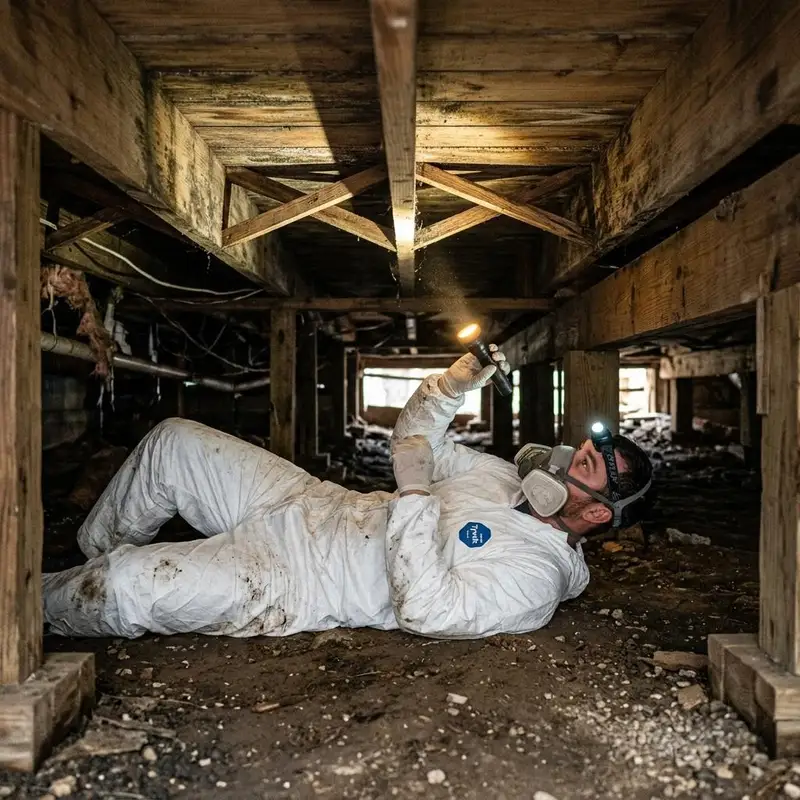
I also recommend having a moisture control inspection every year or two, especially for older homes and commercial properties. It is a small investment that keeps your crawl space dry and your indoor air quality healthy.
Ultimately, crawl space mold removal is not a one-time fix. It is a process that starts with understanding the moisture source, applying the right remediation techniques, and then committing to ongoing prevention. Fort Worth's climate will always challenge our homes, but with the right approach, you can keep your crawl space dry, clean, and mold-free for years to come.